Try highlights on your own photo before you book
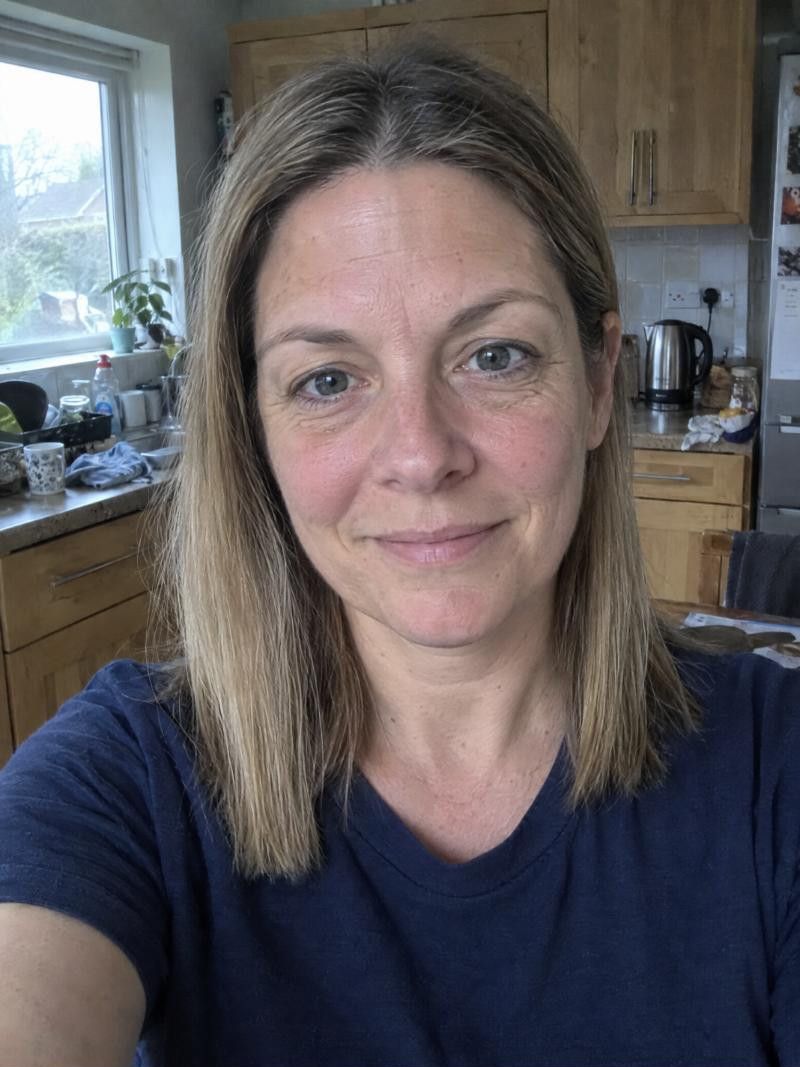
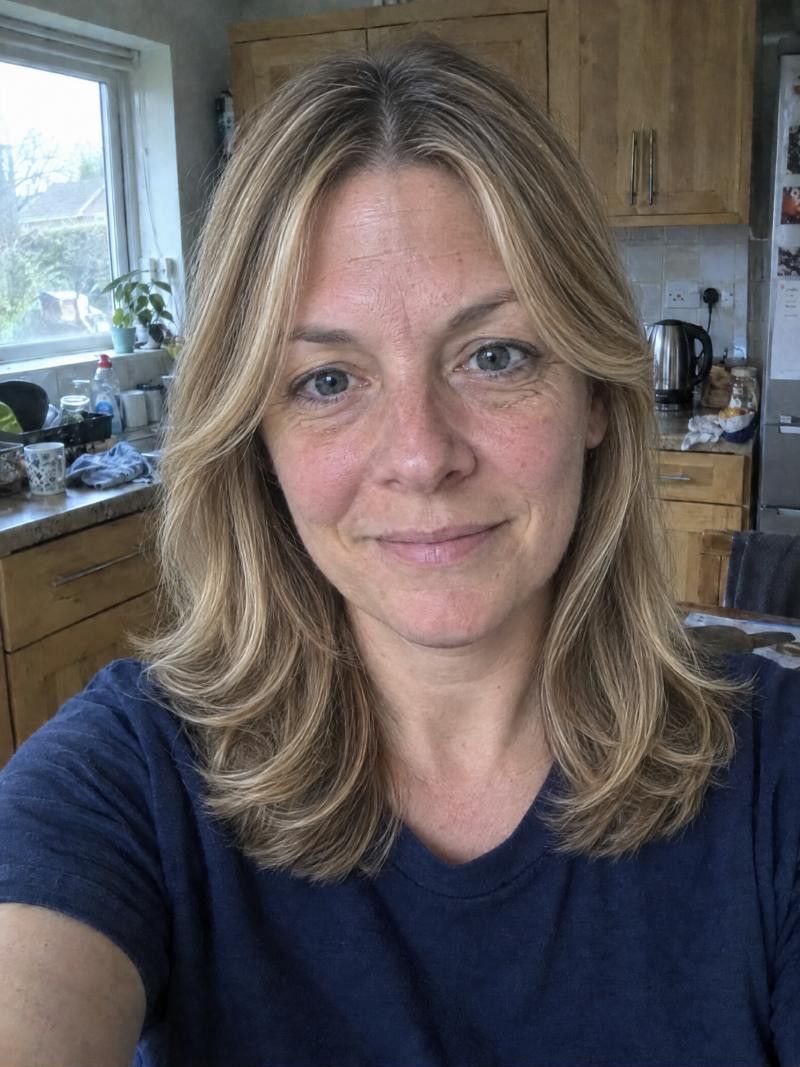
Highlights change how light plays through your hair. Preview a lighter tone on your own photo and decide how bright you really want to go. Free to try.
What kind of highlights should I get?
It depends on how much contrast you want. Fine highlights in a tone close to your base look soft and natural, while wide or high-contrast ones stand out more. Pick a tone that suits your skin and your gray, then ask your stylist about placement.
Highlights, and what each choice does
-
Highlights or lowlights
Highlights add lighter strands to your base color. Lowlights add darker ones. Highlights brighten hair that looks flat, while lowlights bring back depth when hair has gone too light or patchy. Many people use a mix of both.
-
Fine or chunky
Fine highlights are thin and close together, so they melt into the base and look sun-touched. Chunky ones are wider, with clear contrast between strands. Chunky reads bold and graphic. Fine is easier to wear and to grow out.
-
Face-framing pieces
A bright section at the front, right around the face, is a small change that lights up the frame of your look. It works with most lengths. Keep the pieces fine for a soft glow, or make them wider if you want them noticed.
-
Golden, ash or caramel
Golden is warm and bright, and often flatters warm skin. Ash is cooler and calmer, and it sits well beside silver or gray. Caramel is a richer, softer in-between. Look at your skin in daylight to choose between them.
-
Blending gray with highlights
Fine highlights can blend new gray, because they break up the hard line between your color and the regrowth. They soften the contrast instead of covering it. Gray can resist color, so ask your stylist what will show on your hair.
- Best for
- Anyone whose color looks flat, who wants brightness without a full color change, or who is seeing gray and wants it to blend in softly.
- Upkeep
- Fine highlights close to your base tone grow out gently, so visits can be spaced out. Higher contrast shows regrowth sooner. A gentle shampoo and a toner help keep the tone from turning brassy.
- Watch out for
- Lightening uses a lightener that can dry hair, and fine or thin hair is more delicate. Ask your stylist how your hair will handle it and how many visits the look may take.
More looks to try
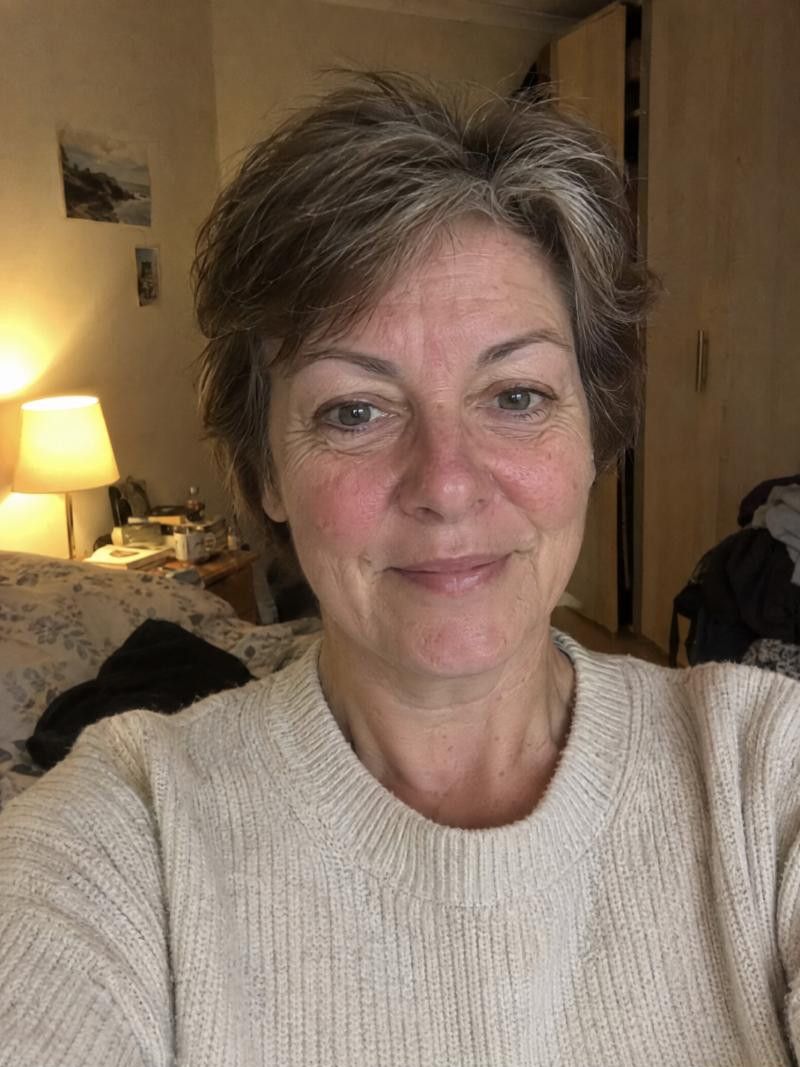
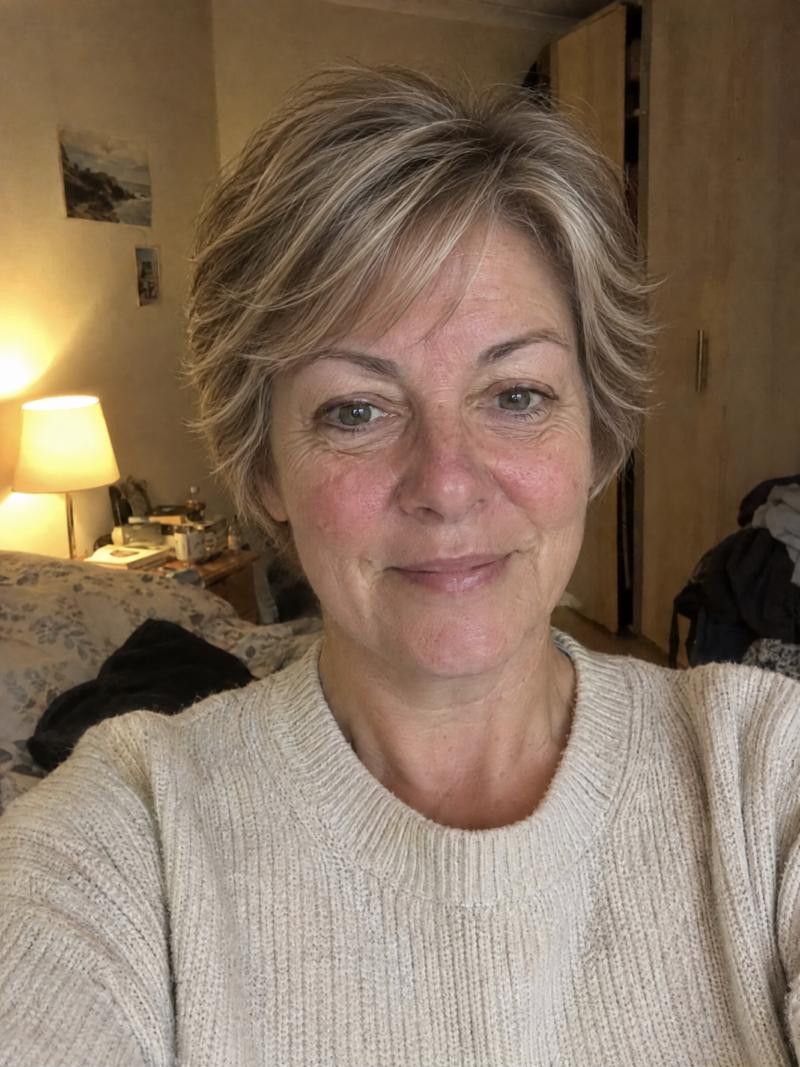
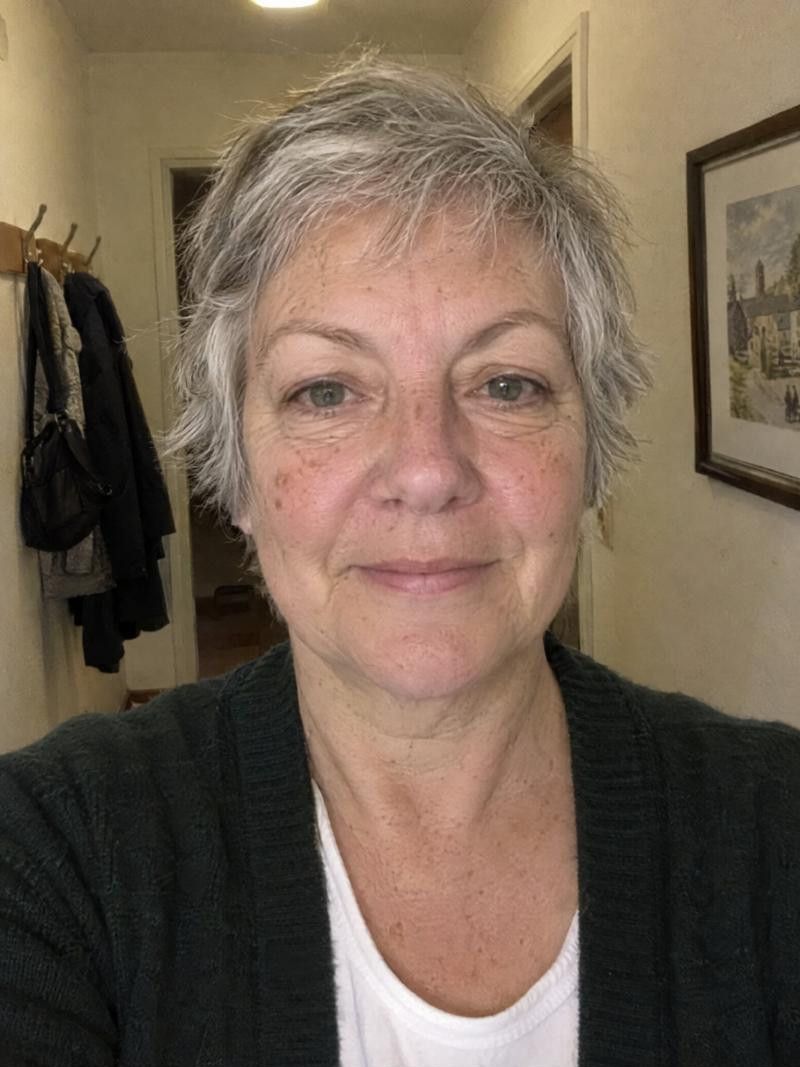
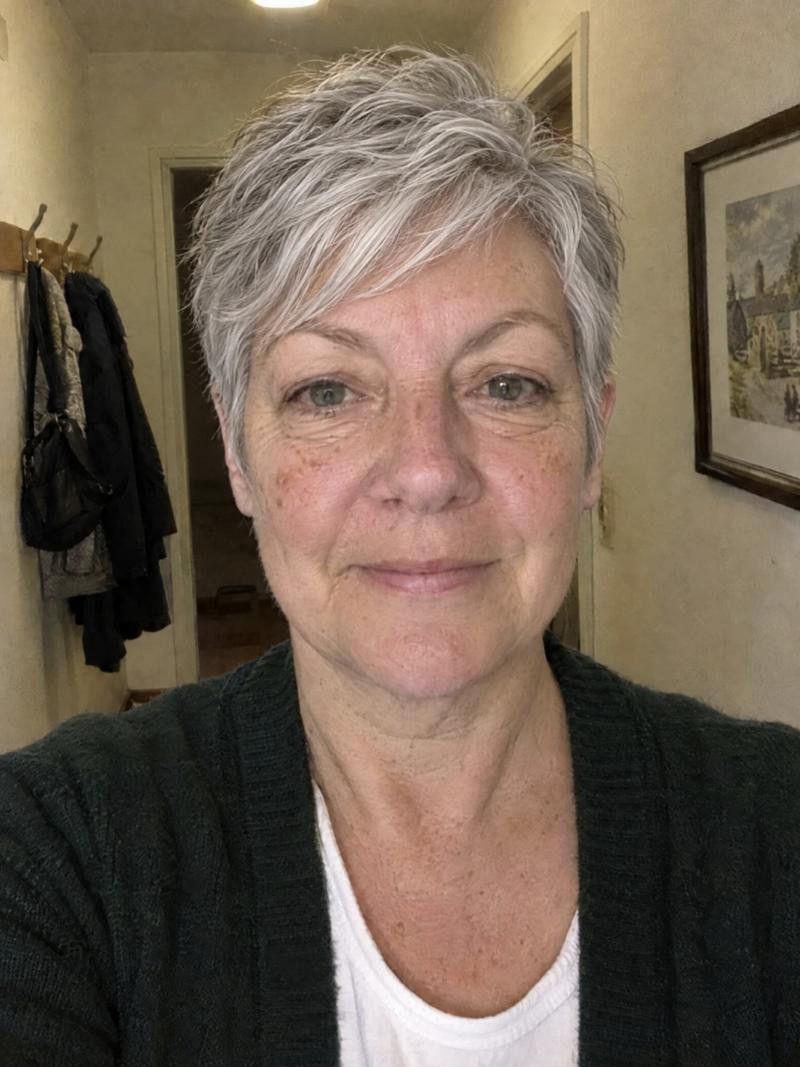
Try highlights in the app
-
Add one photo
Open the app and add one clear photo of yourself in good light, facing the camera. Hair off your face helps the color read well.
-
Keep or change the cut
Keep your current haircut or pick one from the catalogue. Highlights show best on a cut with some movement, such as layers.
-
Try the color row
Choose a lighter tone, such as an ash or golden option, and compare with No changes. The app shows the overall tone, not exact strand placement.
-
Compare and save
Toggle See original, regenerate for another take, then download or share. Your stylist decides the placement and the final result.
Take it to your stylist
Name the tone and the width
Bring your preview and say whether you want fine or chunky, and golden, ash or caramel. Words like a little brighter mean different things to different people.
Tell them your base
Share your natural color and any gray. Your stylist can say how light your hair can go in one visit and what it needs to stay healthy.
Plan the regrowth
Ask where the highlights will start near the root and how the look grows out. A softer start line usually means fewer touch-ups.
Good to know.
Something else on your mind?
Write to us
Are highlights better than one all-over color?
Highlights keep your base color and add light, so the look has more dimension and the regrowth line is softer. An all-over color is one solid shade, which can look flatter and shows regrowth at the root more clearly.
Can highlights cover gray hair?
They blend gray more than they cover it. Fine highlights break up the contrast between gray and color. If you want full coverage, ask your stylist about an all-over color, with or without highlights on top.
How often do highlights need a touch-up?
That depends on contrast and how fast your hair grows. Soft highlights near your base tone can go longer between visits, and high contrast shows regrowth sooner. Ask your stylist for a schedule that fits your hair.
What is the difference between highlights and balayage?
Highlights are usually placed in thin sections starting near the root. Balayage is painted by hand for a softer, graded fade. The balayage page covers that technique in full.
Do highlights damage hair?
Lightening can dry hair, because it uses a lightener. Healthy hair often handles it well with good care, while fine, thin or already dry hair needs more attention. Ask your stylist, and keep your routine gentle afterward.
Can I see highlights on my photo for free?
The app is free to try. Add a photo, pick a lighter tone from the color row and see how it looks on you. It previews the tone, and your stylist decides how the highlights are placed.
Keep exploring
- Balayage Simulator Try balayage on your photo before the colorist does
- Gray Hair Simulator See yourself with gray hair before you go silver
- Feathered Haircut Simulator See a feathered haircut on your face before you book
Ready for your new look?
See it on you before you cut. Free to try.