See yourself with layers before you book the cut
Layers change how your hair moves, lifts and frames your face. See which kind of layers suits you before anything is cut. Free to try.


Will layers suit my hair?
Layers can work on nearly any hair, but the kind of layer matters. Long layers add movement and keep your length, short layers add lift, and face-framing layers soften the area around your cheeks and jaw. Fine hair usually wants fewer, softer layers, while thick hair can take more.
Types of layers, and what each one does
-
Long layers
Cut well below the shoulders, long layers take weight off the ends and add swing without costing you length. A good first step if you want movement but are not ready to go shorter.
-
Short layers
Layers that start near the crown or cheekbones create lift and a rounder shape. They suit hair that falls flat, but they also need styling, since the shorter pieces can stick out if left alone.
-
Face-framing layers
The shortest pieces sit around the face, usually from the cheekbone or chin down. They soften a strong jaw, add shape near the eyes and can grow out gently, which makes them an easy way to try layers.
-
Feathered layers
Soft, graduated layers that blend into each other and often curve away from the face. The look is airy and gentle. It works best on hair with enough body to hold the shape, or with a little styling.
-
Choppy layers
Visible, textured steps cut with a bolder hand, so the ends look piecey and lived in. They add energy and hide uneven ends, and they show up more on straight hair than on waves or curls.
- Best for
- Thick hair that feels heavy, and flat hair that needs lift. Fine hair can look fuller with a few soft layers, as long as the longest length stays strong at the bottom.
- Upkeep
- Layers lose their shape as they grow, usually around the face first. Plan on regular trims to keep the lines clear, and expect to blow-dry or add a little product on days you want lift.
- Watch out for
- Too many short layers on fine or thinning hair can leave the ends wispy and see-through. On wavy or curly hair, layers spring up as they dry, so they sit higher than they look when wet.
More looks to try
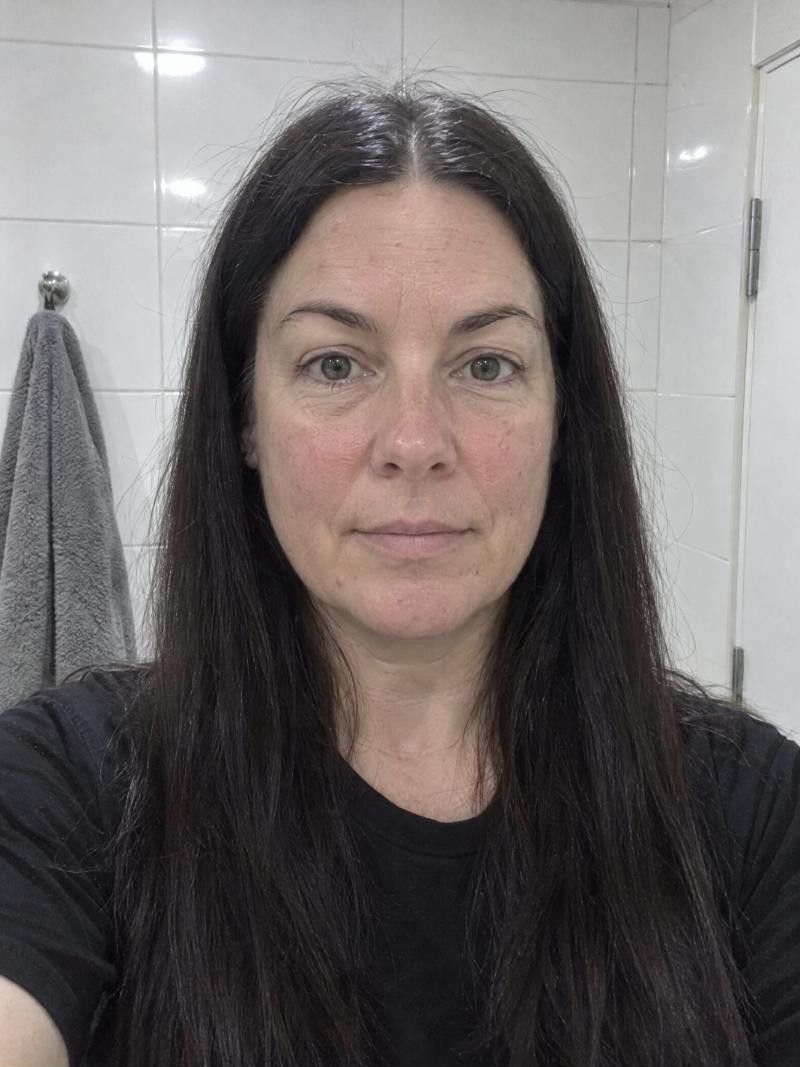
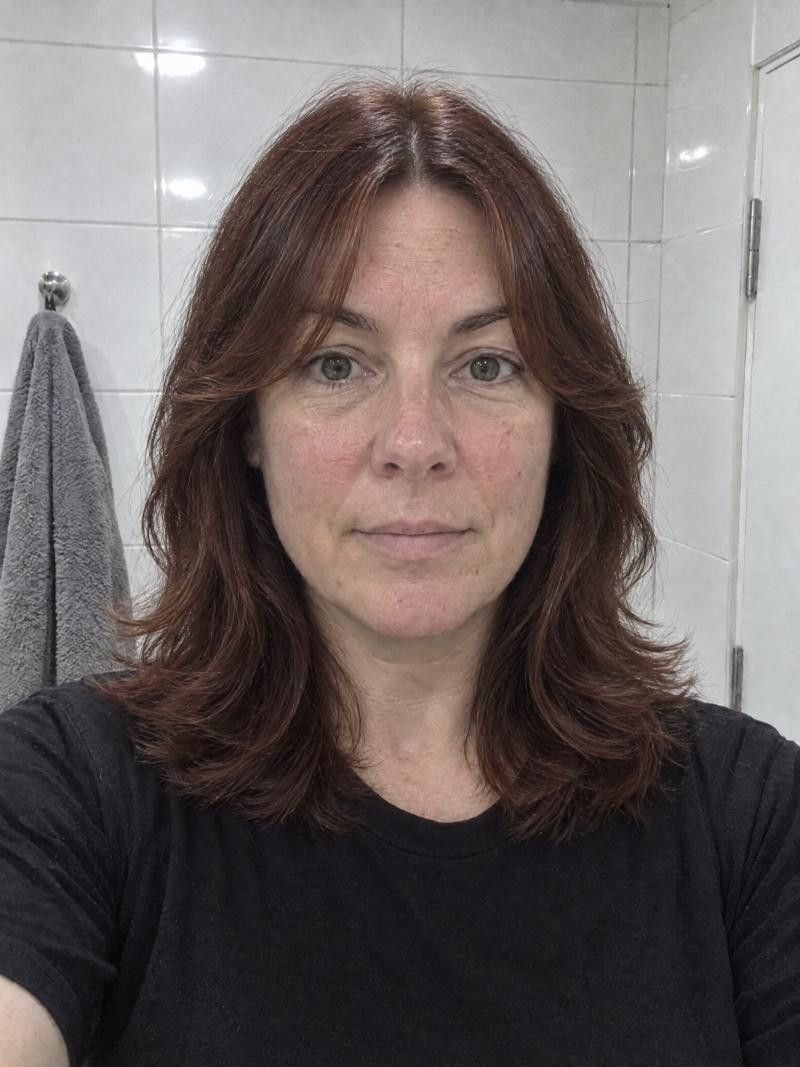


Try layers in the app
-
Add one clear photo
Use a front-facing photo with your hair down and nothing covering your face, so the app can place the layers properly around your cheeks and jaw.
-
Browse layered cuts
Look through the catalogue by category and pick a few layered cuts of different lengths. Face analysis can point you toward cuts that suit your face shape.
-
Try a reference photo
Found layers you love on Pinterest or Instagram? Import the photo and see that exact cut on your own face instead of on someone else.
-
Compare with See original
Toggle See original to compare against your current hair. Regenerate to see another version, then download or share the ones you like.
Take your layers to your stylist
Say where they start
Show where the shortest layer should land, for example at the chin or the collarbone. Where layers start changes the whole look more than how many there are.
Talk about thickness
Tell your stylist if your hair is fine, thick or thinning. They can choose fewer layers, or cut some of them longer, so the ends keep their fullness.
Ask how it will grow out
Ask what the layers will look like in a few months and when a trim is worth it. A cut that grows out softly is easier to live with than one that needs constant care.
Good to know.
Something else on your mind?
Write to us
Are layers good for fine hair?
Often, yes, in small amounts. A few long, soft layers can add movement and the look of body. Heavy short layers do the opposite, because they remove weight from the ends and leave less hair at the bottom.
What do layers do for thick hair?
They remove bulk and let the hair move instead of sitting in one heavy block. Thick hair can handle more layers, and a stylist can also thin out the inside so the shape stays light.
How do layers grow out?
Short layers grow out gradually, and the shortest pieces near the face are often the first to look awkward. Long, soft layers grow out more quietly. A trim to refresh the shape keeps either one tidy.
Can I get layers if my hair is curly?
Yes, and layers can help curls stack instead of forming a triangle. Curly hair shrinks as it dries, so ask your stylist to cut it dry or to leave extra length when cutting wet.
Does the preview show how my layers will really fall?
It shows the shape and length on your face. Your hair texture, density and your stylist's technique decide how layers behave day to day, so treat the result as a guide and not a promise.
Keep exploring
- Shag Haircut Simulator See a shag haircut on your own face before you commit
- Curtain Bangs Simulator See yourself with curtain bangs before you cut
- Medium Length Hair Simulator See yourself with shoulder length hair before you cut
Ready for your new look?
See it on you before you cut. Free to try.