See a butterfly haircut on your own photo first
The butterfly cut is all about volume and movement. See how the shorter pieces near your face sit before you ask for it. Free to try.
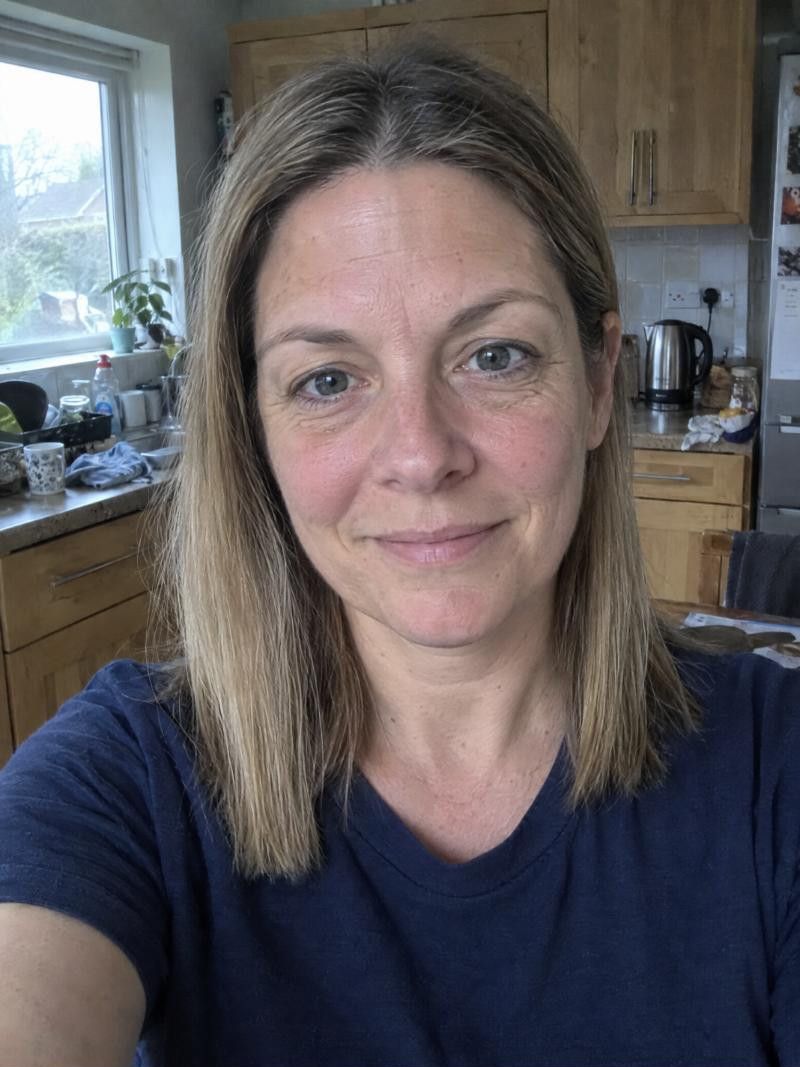
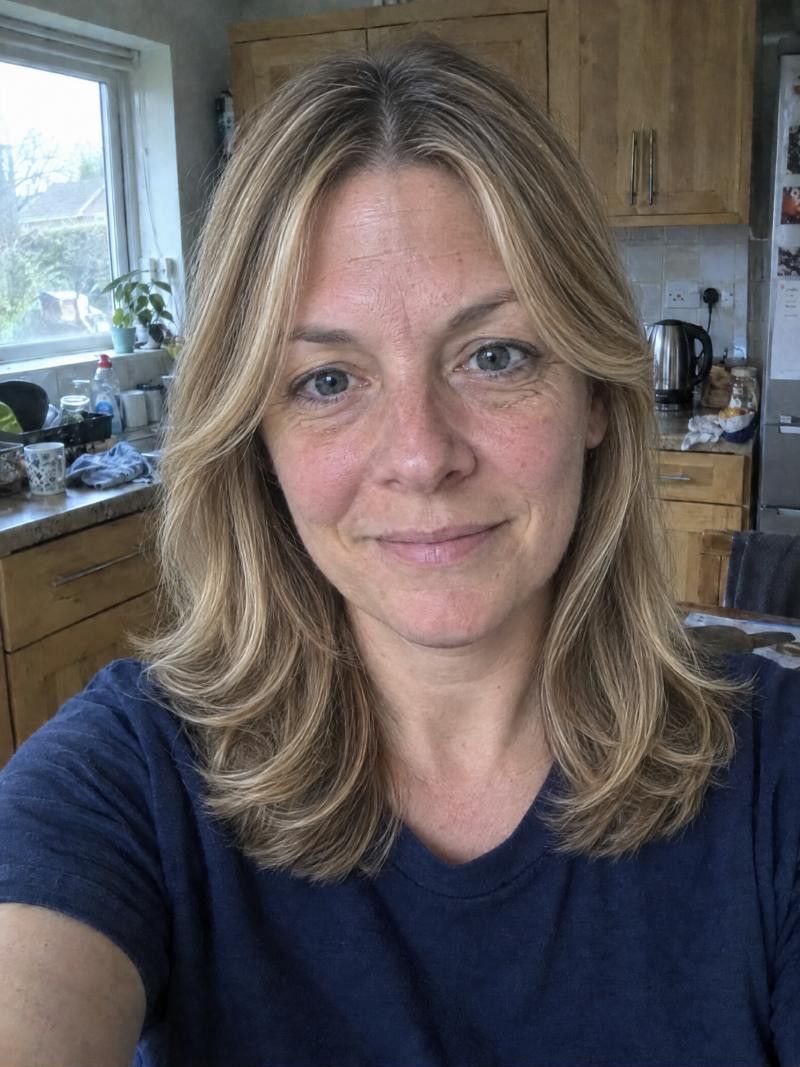
What is a butterfly haircut, and who does it suit?
A butterfly haircut combines long layers with shorter layers around the face that flick outward, creating a bouncy, voluminous shape. It suits medium to long hair with enough density to carry the layers. Preview it on your own photo, and ask a stylist how your ends will hold up.
How a butterfly cut is built
-
Long layers underneath
The base is a long, layered cut, often to the shoulders or below. The lower layers keep the length and give the movement a base. Without enough length, the effect is closer to a general layered cut.
-
Shorter face-framing layers
Shorter layers start near the cheekbones or chin and sweep away from the face. They open up the face and add shape at the sides. Our face-framing page covers those pieces alone, so use this one for the full cut.
-
The blow-dry matters
The flicked, lifted look comes from drying with a round brush, turning the ends out and away from the face. It is a styled cut, not a wash-and-go one. Air-drying gives a softer, quieter version.
-
Volume and bounce
The layers lift the roots and the sides, so the cut suits anyone who likes visible volume. It works on waves and straight hair alike, though very curly textures need a stylist who knows how to cut for spring.
-
Fine or thin ends
Because layers take weight out of the ends, a butterfly cut can leave very thin hair feeling see-through at the bottom. If your ends are already light, keep the layers soft or choose a gentler cut.
- Best for
- Medium to long hair with good body, and anyone who likes volume and movement around the face. It also suits people who enjoy a blow-dry and a rounder shape.
- Upkeep
- It grows out gracefully, since the layers blend into one another as the length returns. A trim every so often keeps the face-framing pieces from losing their flick. Expect a round brush and a few minutes with a dryer.
- Watch out for
- Very thin ends can look sparse after layering, and straight, flat hair may not hold the flick without styling. A preview is a guide only: your texture and density decide the final look.
More looks to try
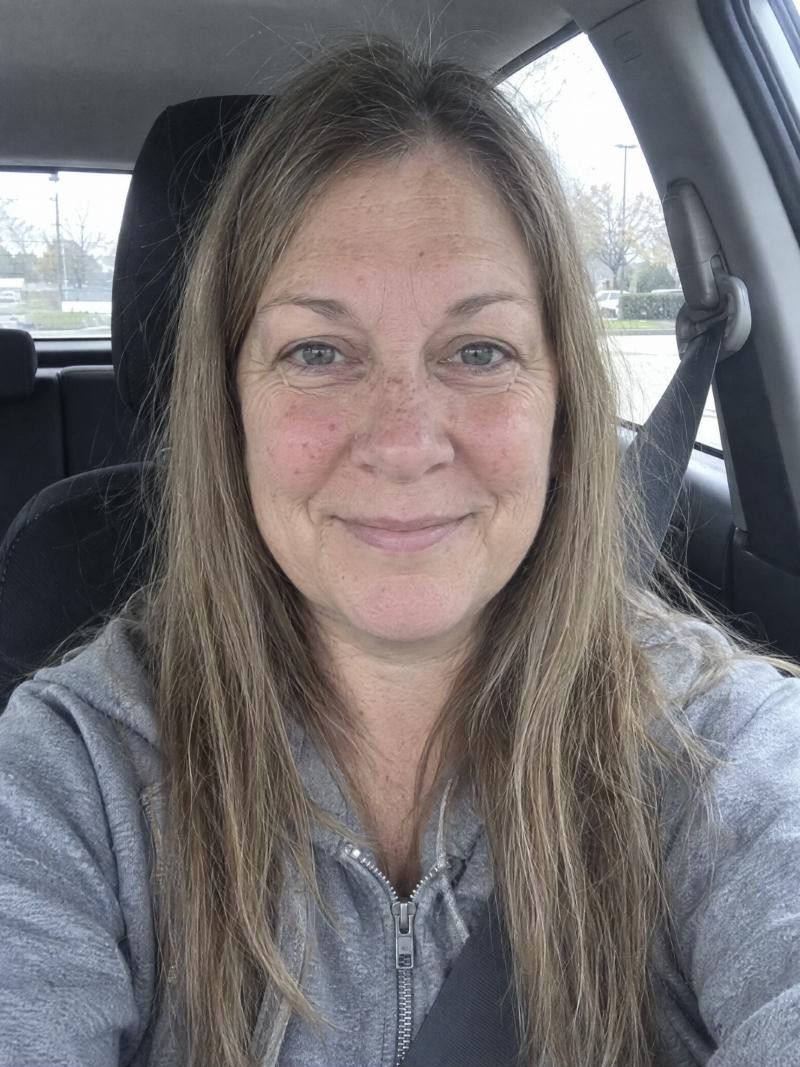
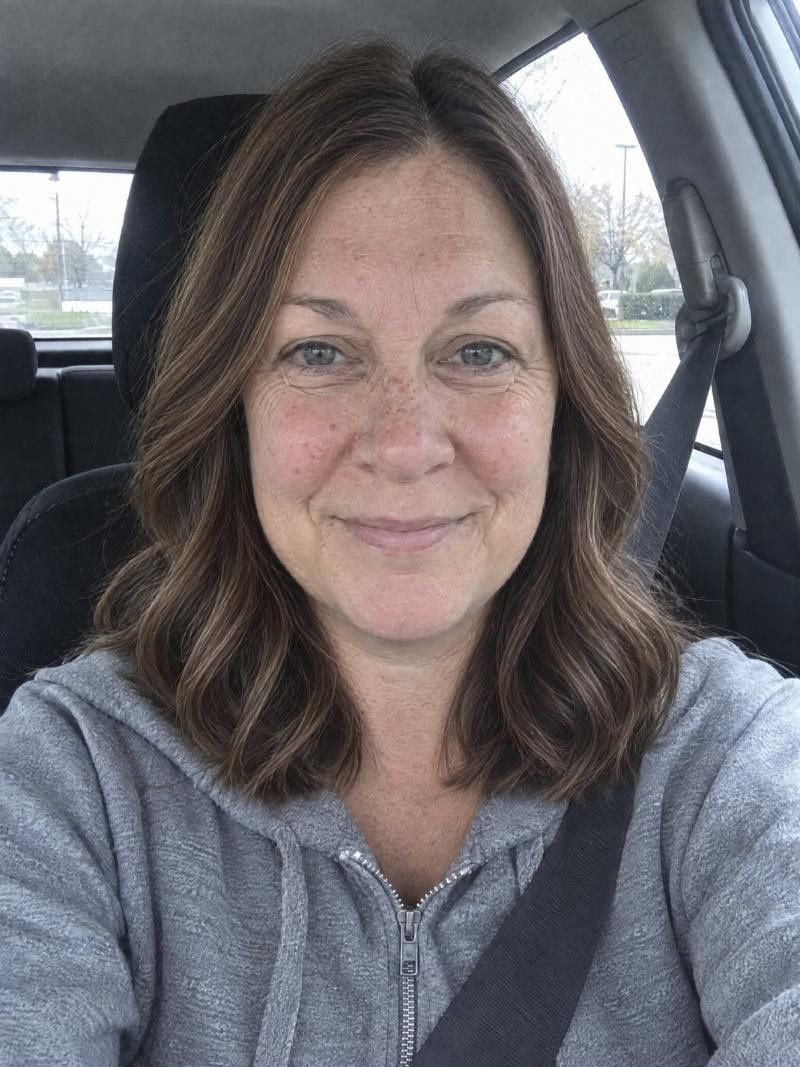
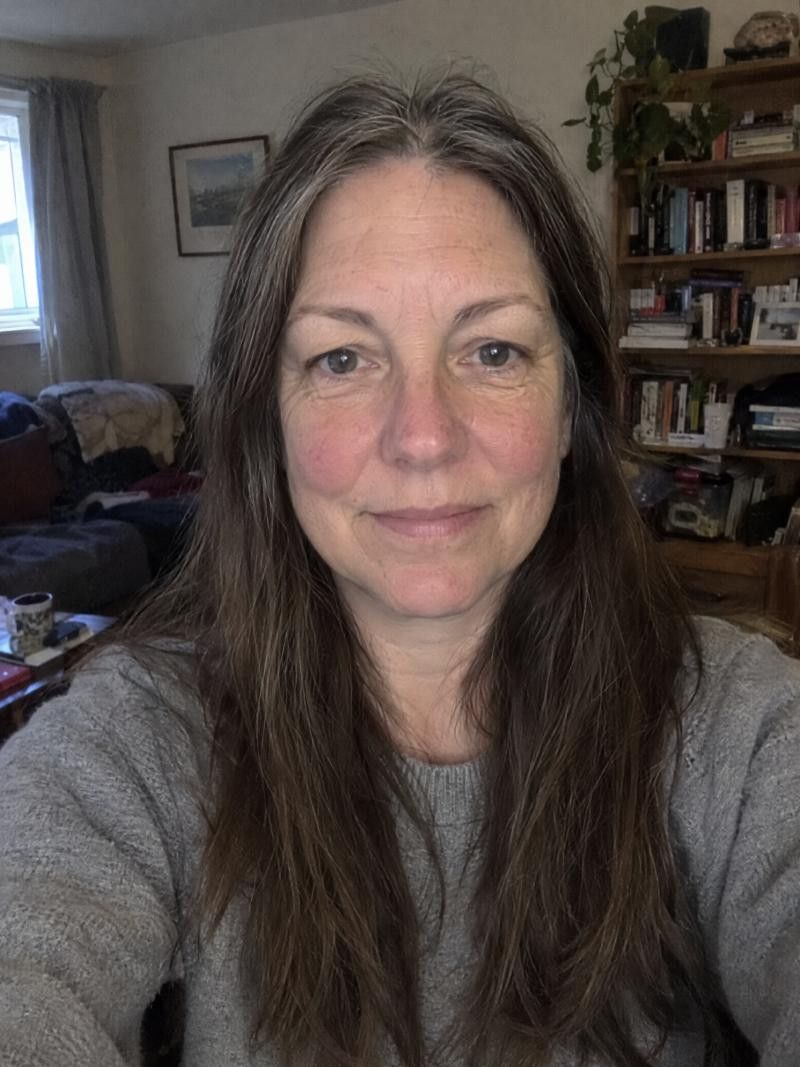
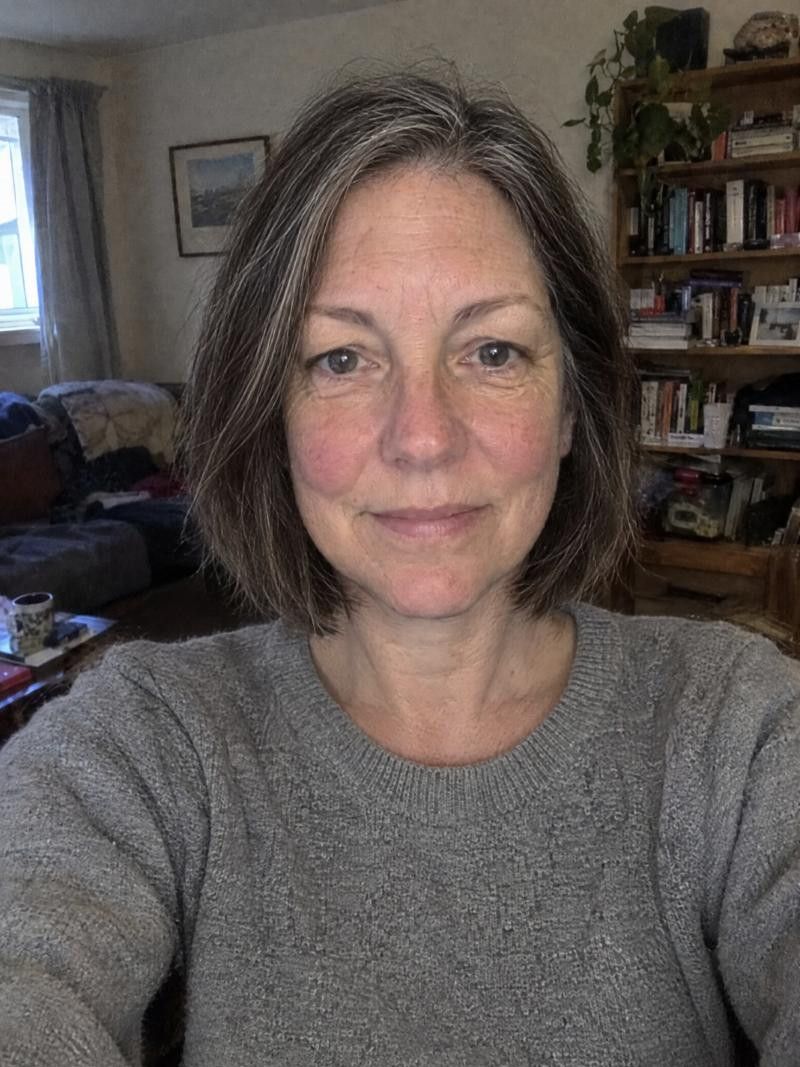
Try a butterfly cut in the app
-
Add one clear photo
Use a front-facing photo with your hair down and your face clearly visible. Long layers and face-framing pieces show best when the app can see your current length.
-
Search the layered styles
Open the haircut catalogue and look for long layered styles with short, flicked face-framing pieces. Try a few that start at different points near your face.
-
Try face analysis
Use the face analysis to see which haircuts flatter your face shape, then compare butterfly-style layers with a straighter long cut.
-
Switch the color
Choose a lighter or warmer color from the color row, or keep No changes. Layers show more movement on a color with some dimension, so test both before you choose.
Take it to your stylist
Show where the short layers start
Point to the cheekbone, the chin or the jaw on your preview. The starting point of the face-framing pieces changes the shape more than anything else.
Ask how many layers
Tell your stylist how much weight you want to keep at the ends. Fewer, softer layers keep thin hair fuller, while more layers add bounce on thick hair.
Ask for a styling lesson
Ask your stylist to show you how to blow-dry the flick with a round brush. The cut looks best when you can reproduce the lift at home.
Good to know.
Something else on your mind?
Write to us
Is a butterfly haircut good for mature women?
It can be a flattering choice if your hair is dense enough to carry the layers. The face-framing pieces add lift near the cheeks and jaw. Thinner hair needs softer layers, so ask your stylist how yours will behave.
Can a butterfly cut work on short hair?
Not really. The cut needs enough length for the long layers underneath and the shorter pieces around the face. At a shoulder length or longer it works better. For shorter hair, consider a layered bob or a shag.
Does a butterfly cut need a lot of styling?
The full, flicked-out look usually needs a blow-dry with a round brush. If you prefer a lazier routine, you can air-dry for a softer shape, though the volume and the flick will be less defined.
What is the difference between a butterfly cut and regular layers?
Regular layers can be cut in many ways. A butterfly cut has a specific contrast: long layers at the back and a clear set of shorter pieces around the face that flick out, which creates the winged, voluminous shape.
Will a butterfly cut work with bangs?
Yes. Curtain bangs blend into the shorter face-framing layers and are a common pairing. A heavier fringe changes the look more. Preview your photo with and without bangs to see the effect.
Keep exploring
- Layered Haircut Simulator See yourself with layers before you book the cut
- Long Hair Simulator See yourself with long hair before you grow it out
- Feathered Haircut Simulator See a feathered haircut on your face before you book
Ready for your new look?
See it on you before you cut. Free to try.