See yourself with a pixie cut before you commit
A pixie is a big step, and growing it out takes patience. Preview it on your own photo before you book. Free to try.
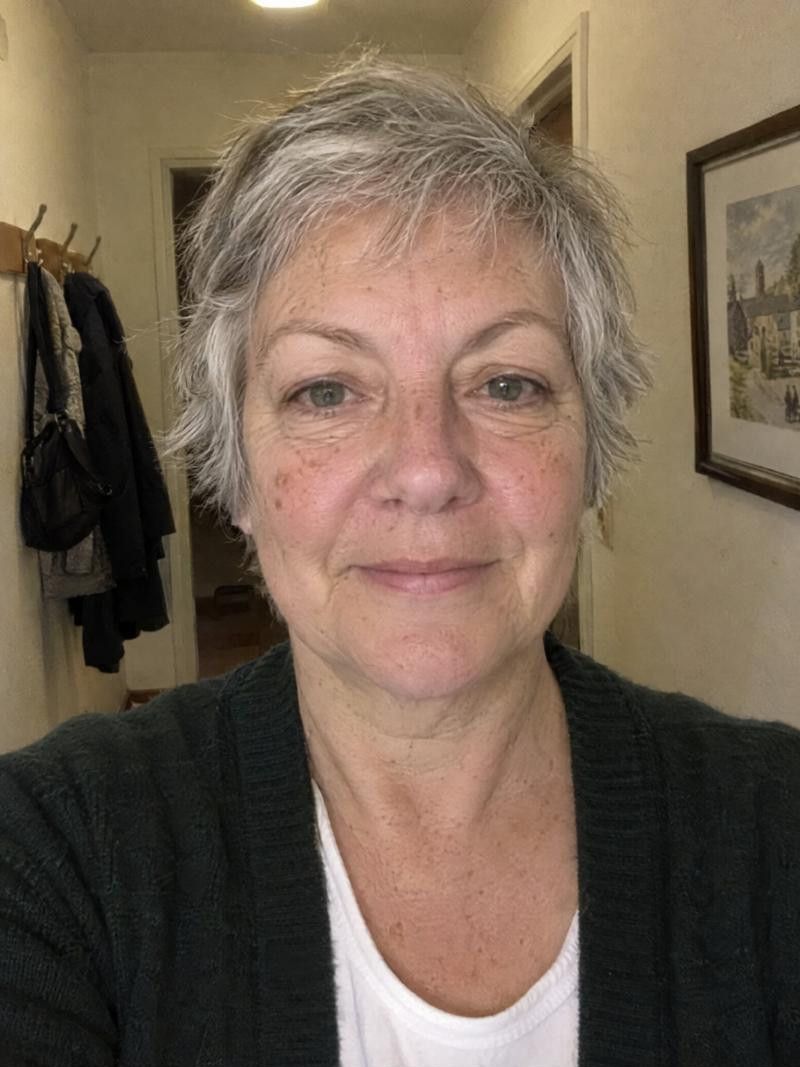
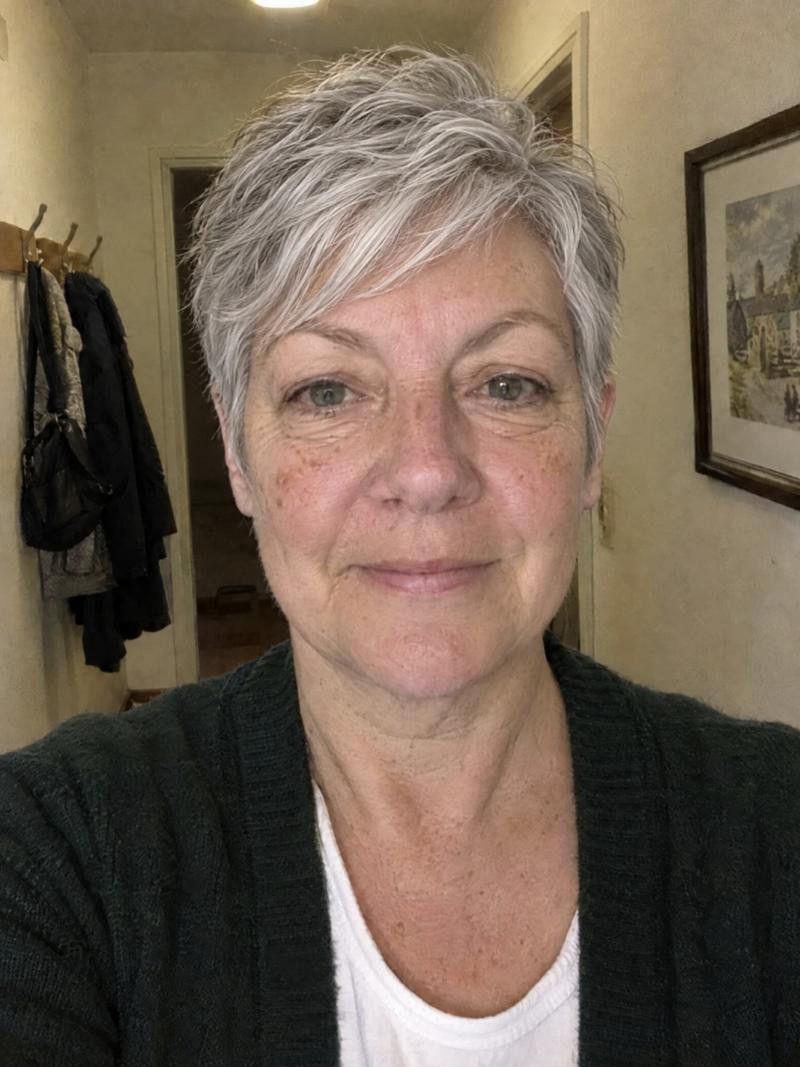
Would a pixie cut suit me?
Often yes, if you like a clean, open look and are comfortable showing your ears, neckline and cheekbones. A pixie can work on many face shapes, because a stylist can change the length on top, at the sides and in the fringe. The quickest way to know is to see it on your own face.
Pixie cuts, and what each one does
-
Classic pixie
Short and tapered at the sides and back with a little more length on top. Neat and low effort, with the ears and neck fully visible. It puts the focus on your eyes and cheekbones.
-
Textured pixie
The top is cut in uneven layers so it can be pushed up or around with a little product. It is a good match for fine hair that needs lift and for waves that would not lie flat in a smooth cut.
-
Long pixie
Keeps more length on top and at the sides, sometimes covering part of the ears. It is a gentler step if a full pixie feels too exposed, and it grows out more easily.
-
Pixie with fringe
A fringe across the forehead or swept to one side softens the whole shape. It can balance a high forehead or a strong jaw, but you need to check how your hairline and cowlicks behave.
-
Ears and neckline
A pixie shows the back of your neck and often your ears. Check how the nape looks, and whether tapered or softer sides feel better. This is something a photo preview helps you see clearly.
- Best for
- Fine to medium hair, hair that is gray, white or thinning, and anyone who wants a fresh look that takes only minutes to style.
- Upkeep
- Short hair shows growth fast, so a pixie needs frequent trims to keep the shape. Daily styling is quick, but you will be in the salon more often than with longer hair.
- Watch out for
- A pixie leaves little to hide. Cowlicks at the crown or nape, and very curly or coarse hair, can behave differently from the preview, so talk it through with a stylist.
More looks to try
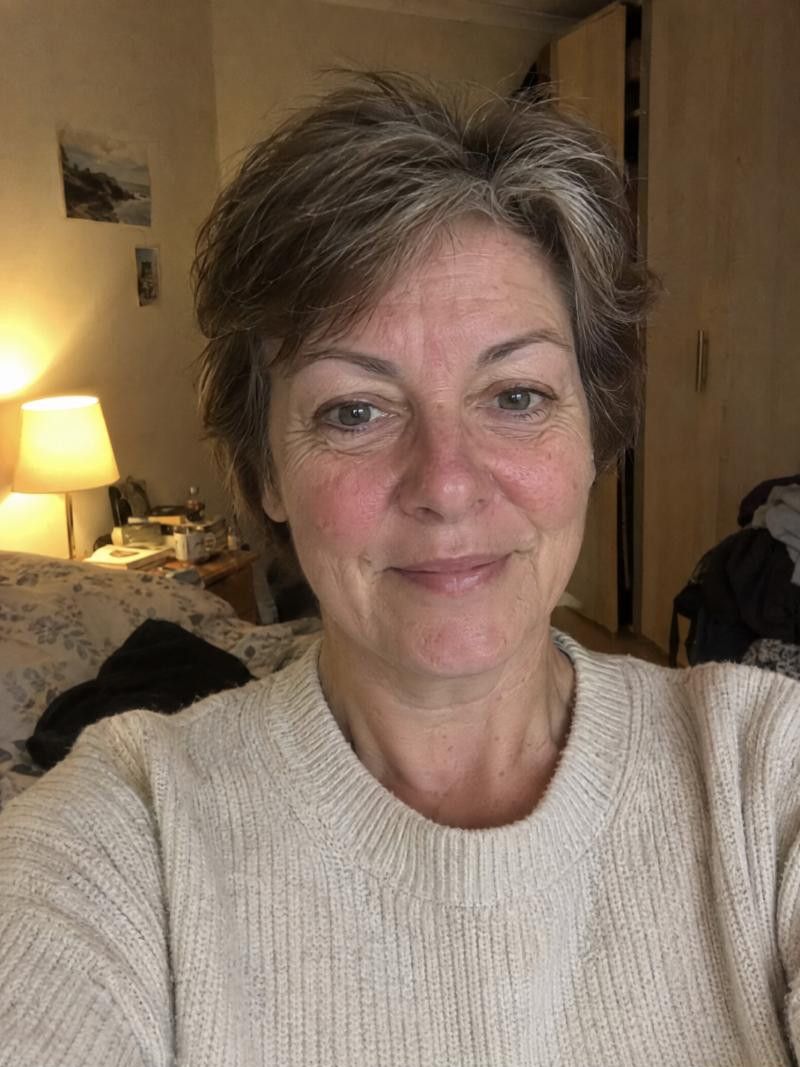
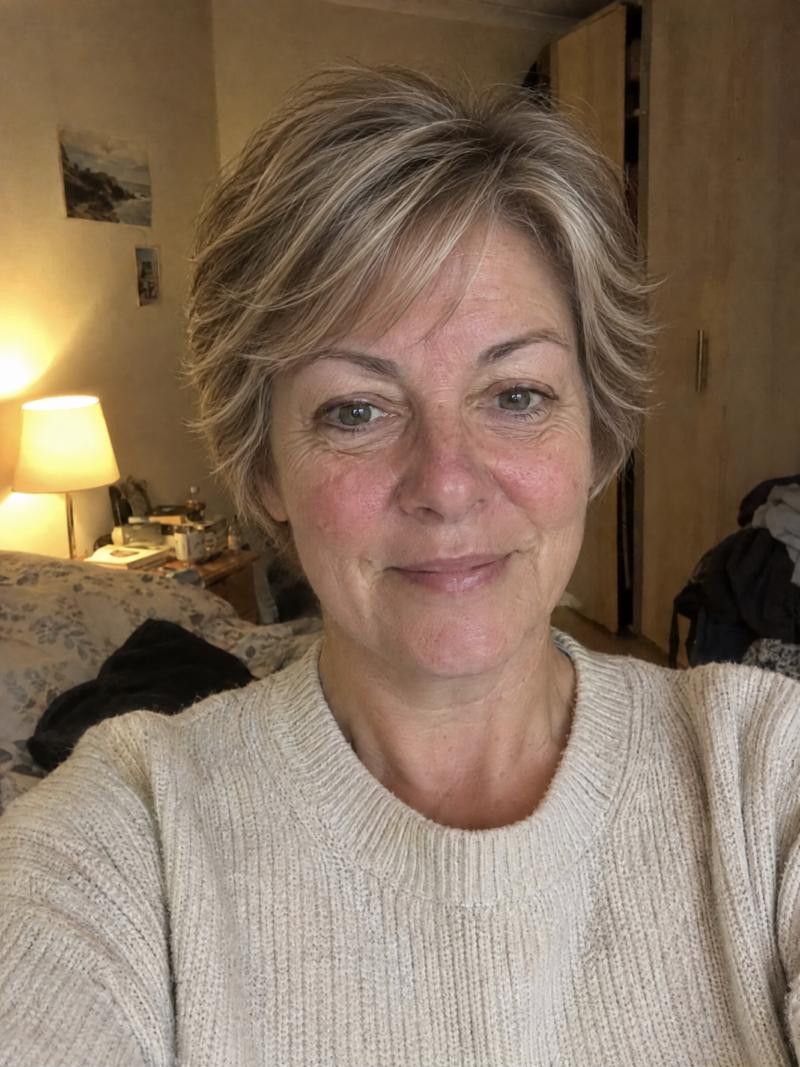


Try a pixie in the app
-
Add one clear photo
Use a front-facing photo in good light with your face and hairline visible, so the preview can show the shape clearly.
-
Find pixies in the catalogue
Browse the short cuts and compare classic, textured and long pixies. Use face analysis to see which ones flatter your face shape.
-
Try a silver or ash color
Choose Ash Gray or another color from the color options, or keep your current color with No changes, and see how the pixie looks in each.
-
Compare with See original
Toggle See original to compare with your current hair, then regenerate, download or share the result.
Take it to your stylist
Decide how short
Show the preview and say how much of the ear and neck you want covered. Pixies vary a lot, and a long pixie is a very different request from a classic one.
Ask about cowlicks
Have your stylist check the crown, nape and front hairline. Where the hair grows decides how the top can be cut and whether a fringe will lie flat.
Plan the grow-out
Ask which cut grows out into a shape you will still like. A well-cut pixie can lengthen into a short bob in stages with trims along the way.
Good to know.
Something else on your mind?
Write to us
What face shapes suit a pixie cut?
Many do. A pixie can highlight cheekbones and eyes, and the fringe and top length can be adjusted to balance a rounder or longer face. The app's face analysis shows cuts that flatter your shape, so you can compare.
Can I wear a pixie with fine or thinning hair?
Short hair can look fuller on fine hair because there is no length weighing it down. If you are worried about thinning, a stylist or doctor can advise. A textured top often helps hair look denser.
How often does a pixie need trimming?
More often than longer styles. Because the cut is so short, growth changes the shape quickly, especially around the ears and neck. Ask your stylist how often they suggest coming back for your hair.
How do I grow out a pixie cut?
Be patient and keep up with trims so the shape stays tidy while the length builds. Many people move through a long pixie, then a short bob. A stylist can plan the stages.
Is a pixie too bold if I have never had short hair?
It can feel like a lot, which is exactly why a preview helps. Compare a long pixie with a classic pixie and decide what you like. Remember that a preview is not a promise of how your own hair will fall.
Keep exploring
- Short Hair Simulator See yourself with short hair before you cut it
- Bob Haircut Simulator See yourself with a bob before you cut it
- Haircuts for Your Face Shape Find haircuts for your face shape, then check them on you
Ready for your new look?
See it on you before you cut. Free to try.