Find haircuts for your face shape, then check them on you
Charts can point you in a direction, but only your own face can say yes. Learn the shapes, then see the cuts on your photo. Free to try.


What haircut suits my face shape?
It depends on where your face is widest and how long it is. Cuts that add softness where your face is angular, or balance where it is long or wide, tend to flatter. These are guidelines, not rules, so check a cut on your own face before you decide.
Five face shapes, and the cuts that tend to flatter
-
Oval
An oval face is balanced, slightly longer than wide, with a softly rounded jaw. Most cuts work, so choose by taste and hair type instead. Very heavy bangs can shorten a face, so check them in a preview if that matters to you.
-
Round
A round face is about as wide as it is long, with soft cheeks and jaw. Cuts with length past the chin, side-swept bangs or layers that start below the cheeks can add the look of length. Very short, full cuts can add width.
-
Square
A square face has a strong jaw and a forehead of similar width. Soft layers, waves and side parts can ease the corners. Blunt lines at the jawline can emphasize angles, which some love and others prefer to soften.
-
Heart
A heart-shaped face is wider at the forehead and narrower at the chin. Chin-length cuts, longer side-swept bangs and volume near the jaw can balance the proportions. Very full volume on top can add width where the face is already wide.
-
Long (oblong)
A long face is noticeably longer than it is wide. Bangs and volume at the sides can add width and shorten the look. Very long, flat hair can stretch the face further, so waves or layers around the cheeks often help.
- Best for
- Anyone who is unsure where to start. Your face shape narrows the catalogue to cuts that tend to flatter, which saves time before you try several.
- Upkeep
- Upkeep depends on the cut and your hair, not your face shape. Check the preview, then ask your stylist how much styling the cut needs for your texture.
- Watch out for
- Most faces are mixes of shapes, and a chart is only a guide. If a cut you love is not on the list, try it anyway. A preview shows what a chart cannot.
More looks to try


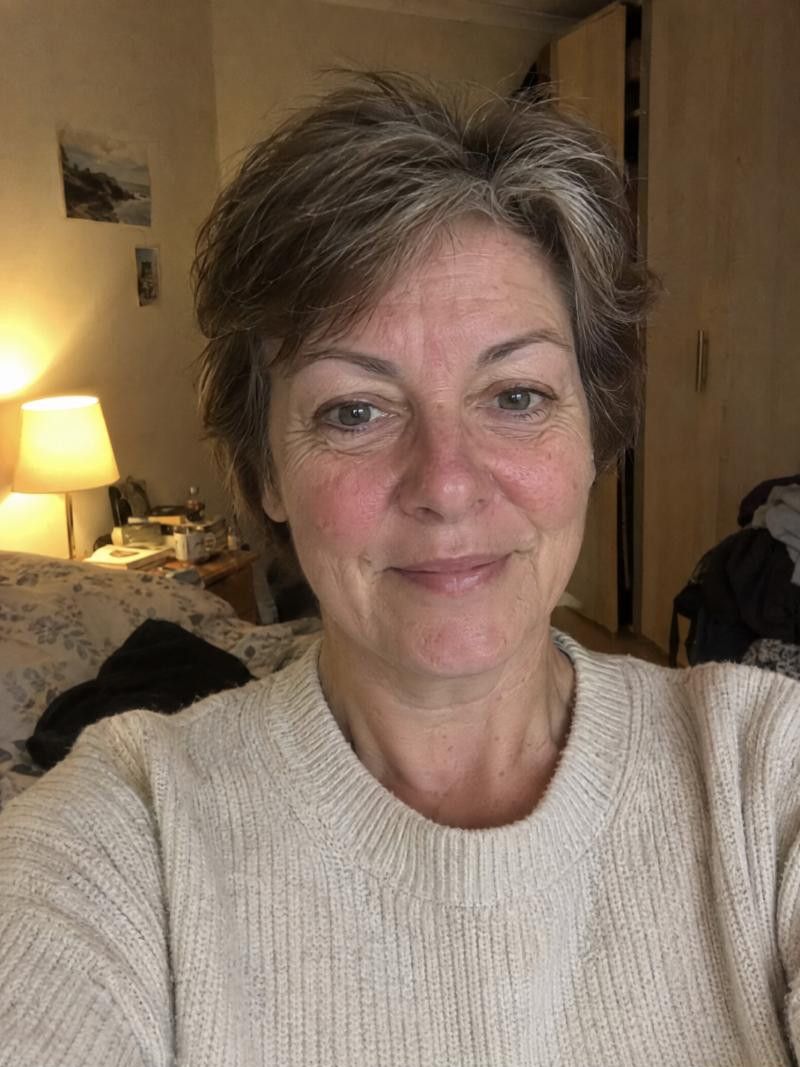
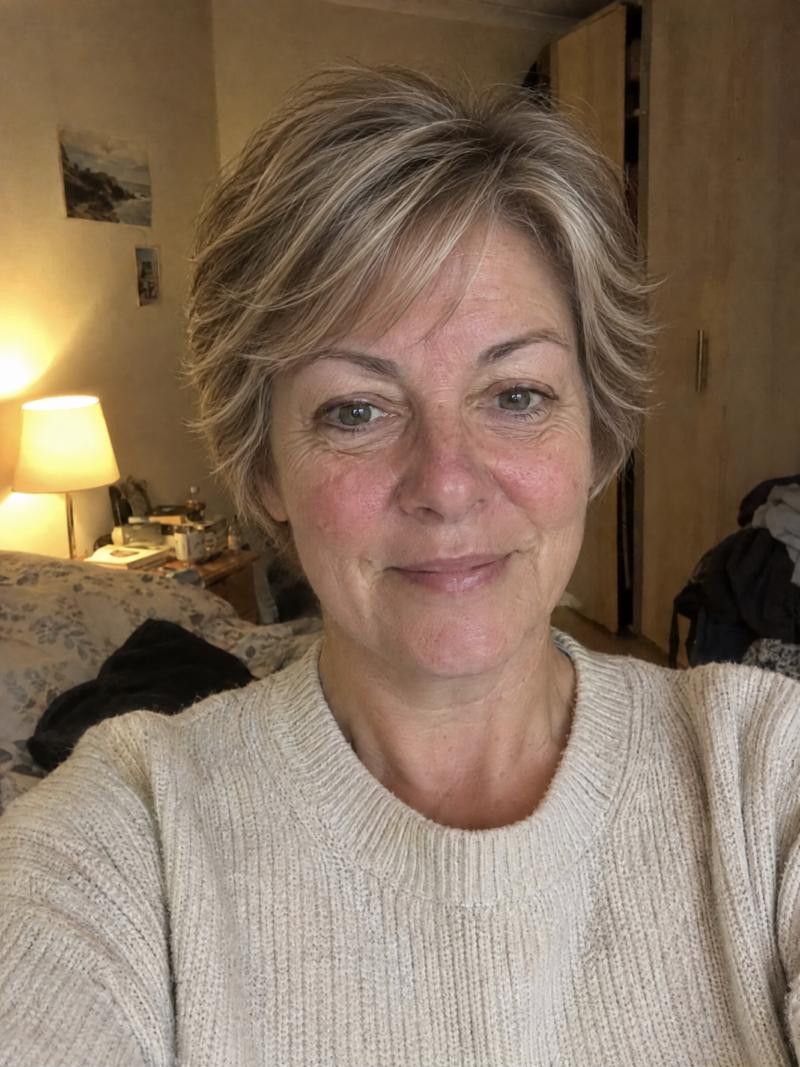
Use the app to find your shape
-
Add one clear photo
Face the camera with your hair pulled back, if you can. The face analysis needs to see your forehead, jaw and cheekbones.
-
Let the app read your face shape
The face analysis looks at your face shape and shows haircuts that flatter it. Use them as a short list, not a ruling.
-
Check the cuts on your face
Pick a few and see yourself with each. Toggle See original to judge the change, and regenerate if you want another take.
-
Break the rules on purpose
Try one cut the chart says to avoid. If you like it on your face, it may be right for you.
Take it to your stylist
Ask what they see
Stylists look at jaw, forehead, cheekbones and hairline every day. Ask which features they would highlight or soften, and compare it with your preview.
Bring two or three options
Show cuts you tried, not one. It helps your stylist see your taste, and lets them suggest a version that suits your hair type.
Mention your hairline
A high forehead, a widow's peak or a strong cowlick changes how bangs and parts fall. Point them out so the cut works with them.
Good to know.
Something else on your mind?
Write to us
How do I know my face shape?
Look at where your face is widest, how long it is compared with its width, and how your jaw and forehead compare. Many faces fall between shapes. The app's face analysis can read your photo and suggest cuts for your shape.
Are face shape rules strict?
No. They are a starting point drawn from how cuts balance proportions. Your hair texture, hairline, features and taste matter just as much. A cut that breaks a rule can still look great on you.
Which features matter besides shape?
Jaw, forehead, cheekbones and hairline all affect how a cut sits. A strong jaw, a high forehead or prominent cheekbones can each change what looks balanced. Your stylist can see these in person and advise.
Should I choose a cut by shape or by hair type?
Both matter, and hair type often decides what is practical. Fine, thick, wavy or thinning hair all behave differently. Use face shape to narrow your list, then let your hair texture decide the final choice.
Can a cut make my face look different?
A cut can change where the eye goes: length, volume, bangs and layers all shift attention. It does not change your face, and what flatters is partly personal taste. Preview a few cuts and trust what feels like you.
Keep exploring
- Haircut Simulator for Women Choose your next cut with a haircut simulator for women
- Hairstyle Try On Hairstyle try on: how to get a preview you can trust
- Virtual Haircut Try a virtual haircut, then walk into the salon prepared
Ready for your new look?
See it on you before you cut. Free to try.