See a wolf cut on your own face before you commit
The wolf cut is bold on purpose. See how the shape works on your face, and how soft you can make it, before the salon. Free to try.
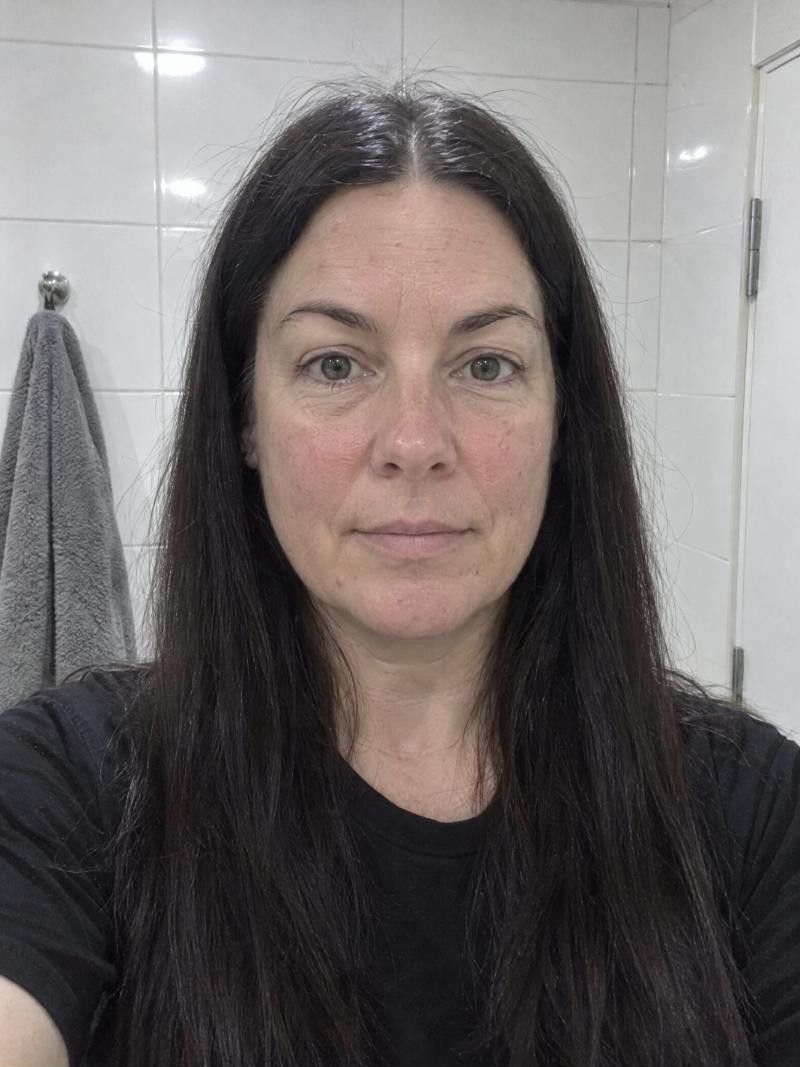
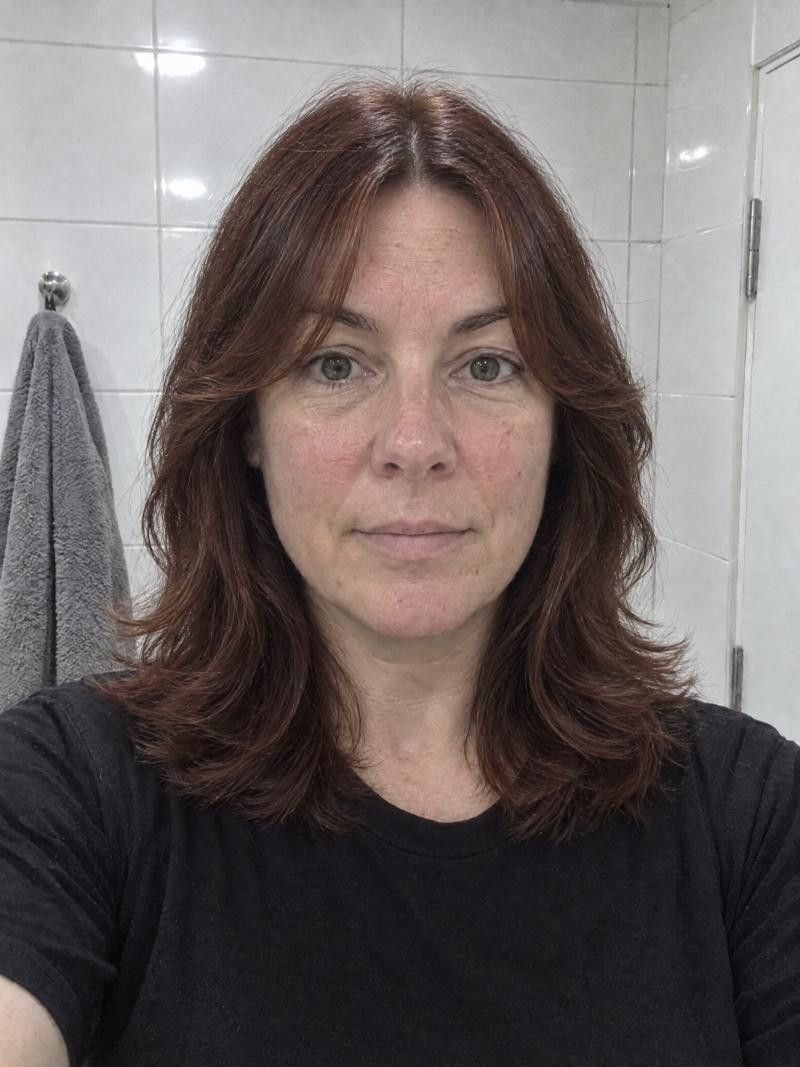
What is a wolf cut, and is it too bold for me?
A wolf cut mixes a shag with a mullet shape: short, choppy layers on top and around the face, with longer, wispier lengths at the back. It is a strong look, but it can be softened with blended layers and a longer crown. Preview it on your own photo before you decide.
Wolf cut shapes, from bold to soft
-
The classic wolf cut
Short, heavily layered hair on the top and sides, with the length left at the back and nape. It has a clear step between the two. The volume sits at the crown and the ends are thin and messy on purpose.
-
How it differs from a shag
A shag is layered all over for movement. A wolf cut adds a mullet-like contrast, with the shortest layers on top and the length kept long at the back. Our shag page covers the general shag, so this one is about that top-versus-back shape.
-
The soft wolf
The same idea with the steps blended away. The top layers are a little longer, the back is trimmed so it flows, and the ends are lightly feathered. It is the version to try if you want the shape without a dramatic change.
-
Texture and waves
Natural waves and bends do much of the work, because the layers have somewhere to go. Straight hair can look flat and choppy unless it is styled with a texture product. Preview it and think about whether you want to style it each day.
-
Fine hair or thick hair
Thick hair gains shape because the layers take out bulk. Fine hair can look sparse in the thin ends at the back, so keep the layers soft and the ends fuller. Very thin ends may suit a different cut altogether.
- Best for
- Wavy or textured hair, medium to long lengths, and anyone ready for a visible change who likes an undone, shaped look. The soft version suits mature hair that still has some body.
- Upkeep
- Mostly low effort once cut: scrunch with a light cream and air dry. The shape needs a trim every so often, because as the layers grow they lose the contrast and begin to look like a general shag.
- Watch out for
- It is a bold cut, and short top layers take time to grow back if you change your mind. Fine, thinning or very straight hair may look thinner at the back, so a softer version is safer.
More looks to try




Try a wolf cut in the app
-
Add one clear photo
Use a front-facing photo in good light. Keep your hair down so the app can see your current length and the shape of your face.
-
Browse the catalogue
Open the haircut catalogue and look at the shag and layered styles with short tops and longer backs. Try a bold wolf cut and a softer one, and compare.
-
Use a reference photo
If you saved a wolf cut on Pinterest, Instagram or Facebook, import it with the hair reference feature and see that exact cut on your face.
-
Try a new color
Pick a color from the color row or leave it on No changes. A wolf cut on a darker or richer color shows its layers more clearly, which can help you judge the shape.
Take it to your stylist
Name how bold you want it
Wolf cut is used loosely. Tell your stylist whether you want the full contrast or a soft wolf, and show your preview so you both picture the same level.
Decide the back length
Ask how long the back layers will stay and how thin the ends will be. A longer, fuller back keeps the cut softer and helps fine hair look less wispy.
Ask how it grows out
Wolf cuts lose their steps as they grow. Ask your stylist how often to refresh the top layers, and whether a blended cut would grow out more gracefully.
Good to know.
Something else on your mind?
Write to us
Is a wolf cut good for mature hair?
It can be, in a softer form. A soft wolf keeps the layers blended and the crown a little longer, which looks less severe. Thinner hair needs fuller ends, so ask your stylist how your density will hold the shape.
Does a wolf cut work on fine hair?
It can, but the thin ends at the back are the risk. Ask for soft layers and keep the ends fuller. If your hair is very fine, a shag or a layered bob may give you movement with less loss of weight.
Can I get a wolf cut with straight hair?
Yes, though straight hair shows the layers less, so the cut can look flat unless you add texture. A light cream or sea salt spray and a quick scrunch help. Preview it on your photo first.
How long does a wolf cut take to grow out?
The contrast between short top layers and the long back fades as the top grows. Over time it looks like a long layered cut, which is usually easy to live with. Trims keep the steps defined if you want to keep the shape.
Can a wolf cut suit a round or long face?
Both can work, because the layers change where the volume sits. Short layers at the crown add height, which suits a round face. Longer face-framing pieces can balance a long face. Preview it and see.
Keep exploring
- Shag Haircut Simulator See a shag haircut on your own face before you commit
- Layered Haircut Simulator See yourself with layers before you book the cut
- Haircuts for Wavy Hair Find the right haircut for your wavy hair
Ready for your new look?
See it on you before you cut. Free to try.