See face-framing layers on your face before you cut
Face-framing layers are the shorter pieces around your face. See how chin, cheekbone or collarbone length changes your look first. Free to try.
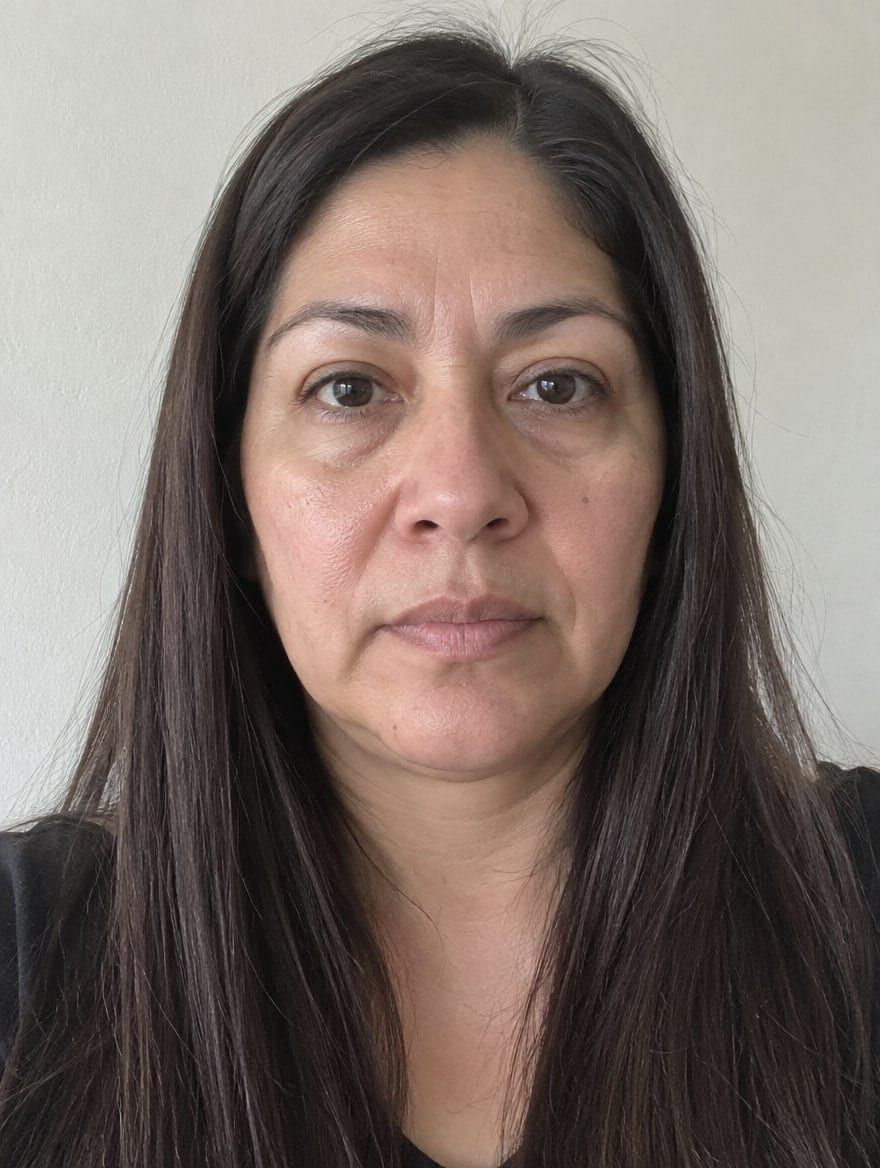
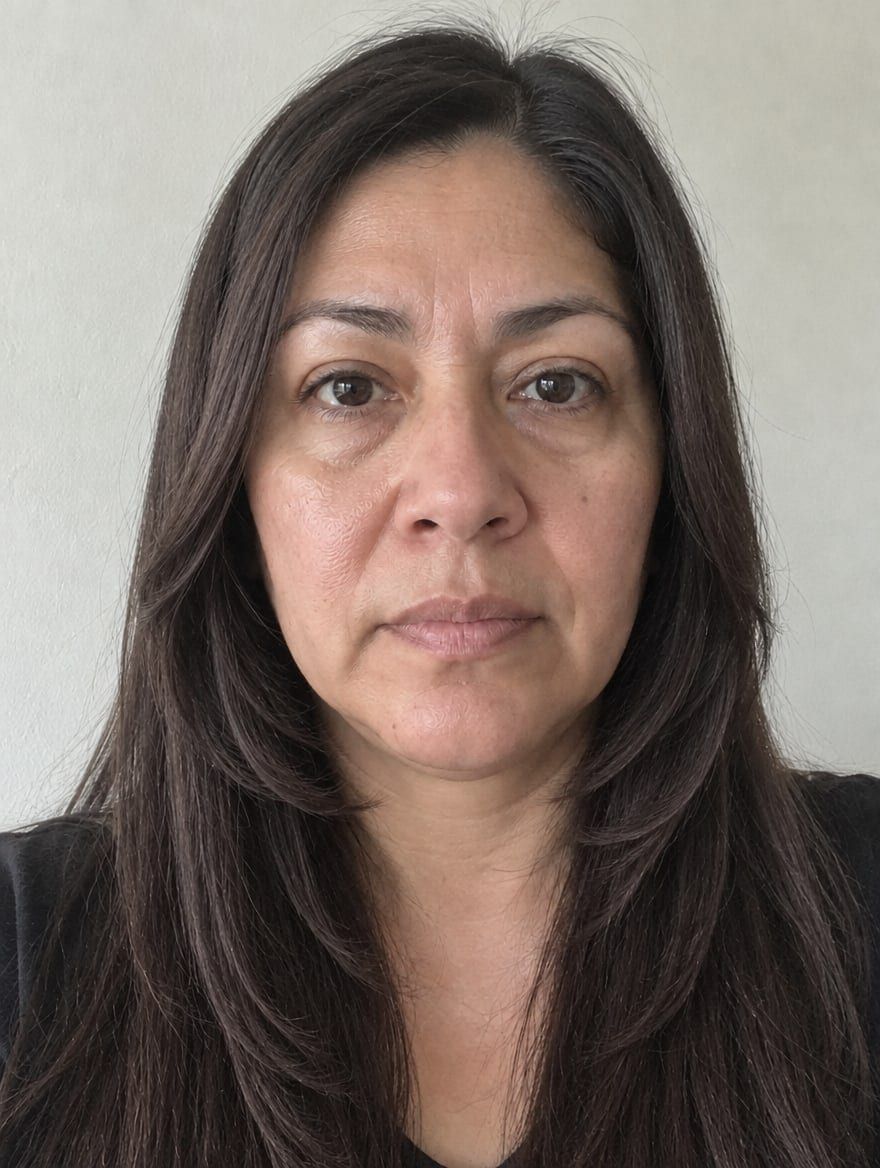
Where should face-framing layers start?
It depends on what you want to soften. Starting at the chin adds shape around the jaw, cheekbone length opens and lifts the face, and collarbone length is the gentlest option that keeps most of your length. If you are unsure, start longer, because shorter pieces cannot be put back.
Where face-framing layers can start
-
Collarbone start
The shortest piece reaches the collarbone, so you keep nearly all your length. It adds a little movement around the neck and jaw. This is the easiest first step if you are nervous about cutting.
-
Chin start
The shortest piece lands at the chin, which draws attention to the jawline and adds shape there. It can soften a strong jaw or give a narrow jaw a little width. The front becomes shorter than the back.
-
Cheekbone start
The pieces begin at the cheekbones, which lifts and opens the middle of the face. It can add the look of fuller cheeks and bring focus to the eyes. It is a bigger change, and it grows out through awkward in-between lengths.
-
Curtain framing
The pieces part in the middle and sweep to each side, like curtain bangs that start lower than the forehead. You get the soft frame without a fringe, so it works if bangs feel like too much.
-
Side-swept framing
The front pieces fall across to one side from a side part. It adds asymmetry and can soften the forehead and one cheek. It looks best when you part your hair the same way each day.
- Best for
- Anyone who wants a change without losing length, or whose hair falls like one flat curtain around the face. It also helps hair that is heavy at the sides.
- Upkeep
- The shorter pieces grow out quickly into the rest of the hair. Style them with a flat iron to turn the ends in or out, or with a round brush for a lifted curve.
- Watch out for
- Pieces that begin high on the cheekbone can look sparse on fine hair, so ask your stylist to keep them fuller. If your hair is thinning at the temples, a stylist can advise.
More looks to try
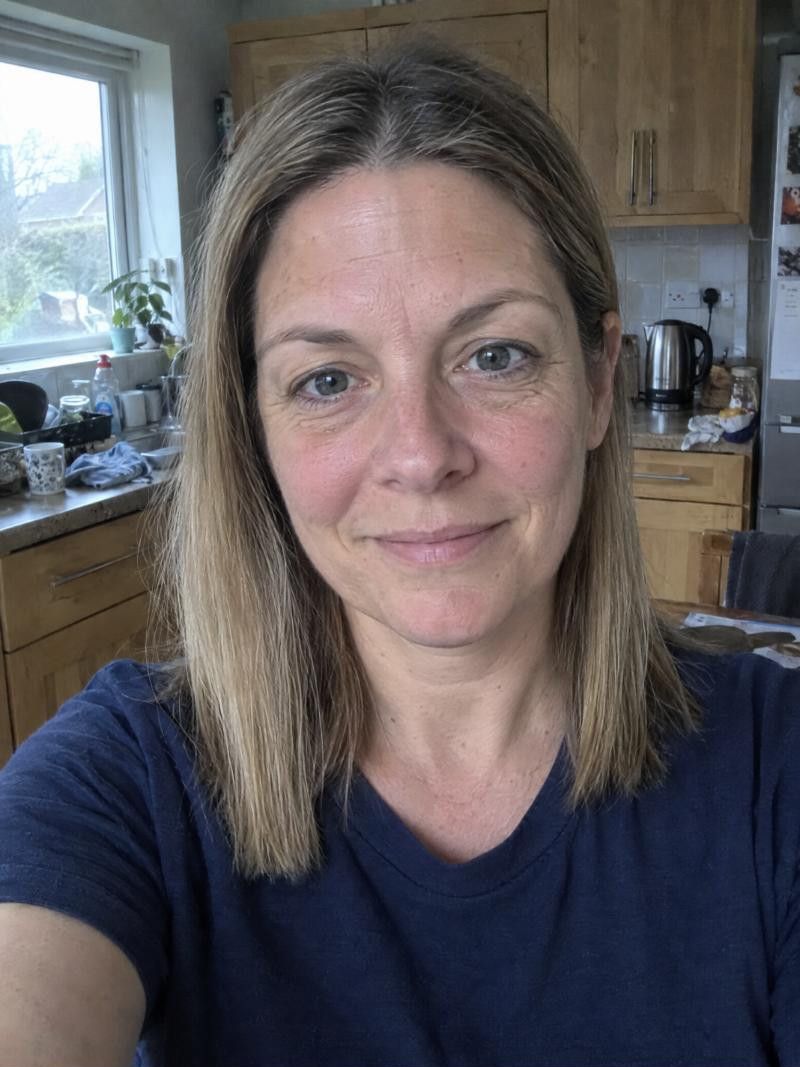
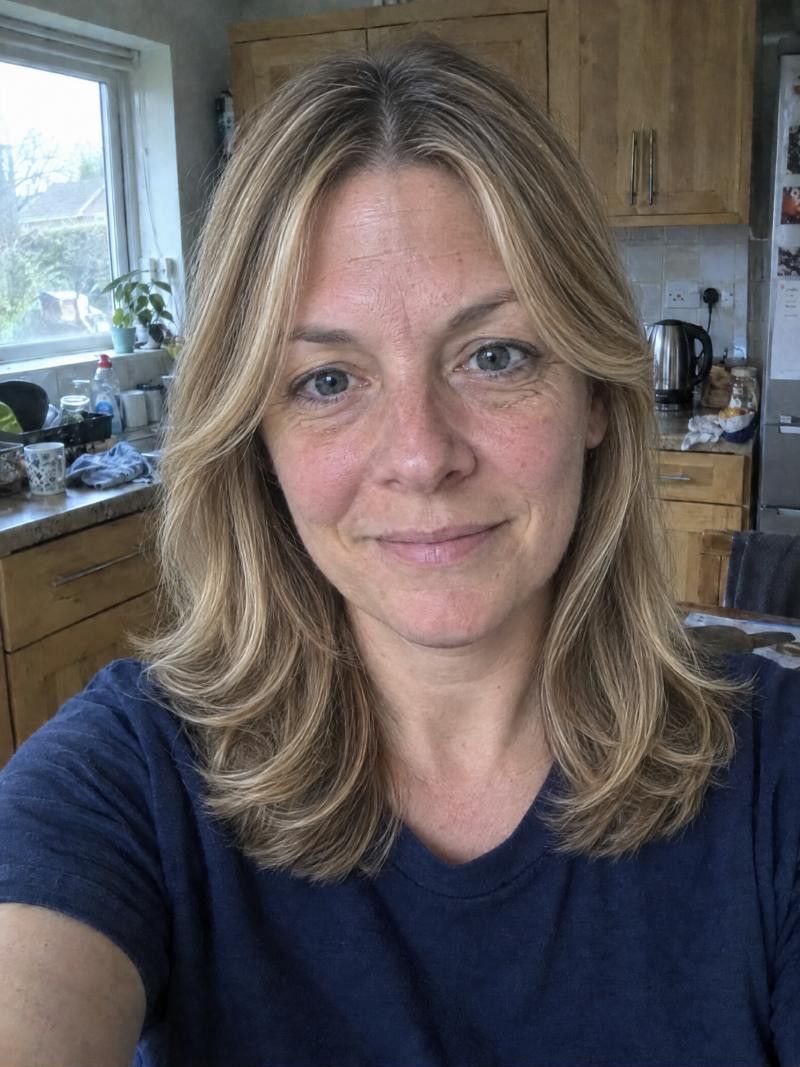


Try face-framing layers in the app
-
Add one clear photo
Use a front-facing photo with your hair down and tucked behind nothing, so the frame around your face is easy to see.
-
Check face analysis
Let the app look at your face shape and show cuts that flatter it. Pick layered cuts with different front lengths and compare them.
-
Import a reference photo
Saved a framing you love from Pinterest or Instagram? Import it and see how those exact pieces sit on your own cheeks and jaw.
-
Compare with See original
Toggle See original and regenerate for another version. Your real texture and your stylist's technique decide how the pieces fall.
Take it to your stylist
Name the landmark
Point to the exact spot where the shortest piece should end: chin, cheekbone or collarbone. A vague request like some layers can end up shorter than you wanted.
Ask to start longer
Ask your stylist to cut the framing a little long first. You can always go shorter at your next visit, and you will see how the pieces fall on your hair.
Plan the grow-out
Ask what the pieces will look like as they grow, and when a quick trim would help. A good frame grows into the rest of your layers instead of looking like a separate cut.
Good to know.
Something else on your mind?
Write to us
How do I grow out face-framing layers?
Keep trimming the rest of the hair evenly, or ask your stylist to blend the shortest pieces into the back with one small cut. Pinning them back or using a headband works during awkward stages. Pieces that start at the collarbone grow out almost unnoticed.
What is the easiest first step if I want to keep my length?
Ask for framing that starts at the collarbone and is cut a little long. It adds movement and shape at the front, and your overall length stays. If you like it, you can go shorter next time.
Will face-framing layers make my face look slimmer?
They can draw the eye along the sides of the face, which makes some faces look longer and softer. The effect depends on where the layers start and how you part your hair, so a preview helps you check before you cut.
Should I use a flat iron or a round brush?
A flat iron gives a sleek bend, turning the ends in or out. A round brush gives a lifted, bouncy curve and works best on hair that already has body. Either takes only a minute, since you are only styling the front pieces.
Is this the same as curtain bangs?
Not quite. Curtain bangs start at the forehead, while face-framing layers usually start lower, at the cheekbone, chin or collarbone. Some people do both, and a curtain-style frame is a good way to get the look without bangs.
Keep exploring
- Layered Haircut Simulator See yourself with layers before you book the cut
- Curtain Bangs Simulator See yourself with curtain bangs before you cut
- Haircuts for Your Face Shape Find haircuts for your face shape, then check them on you
Ready for your new look?
See it on you before you cut. Free to try.